
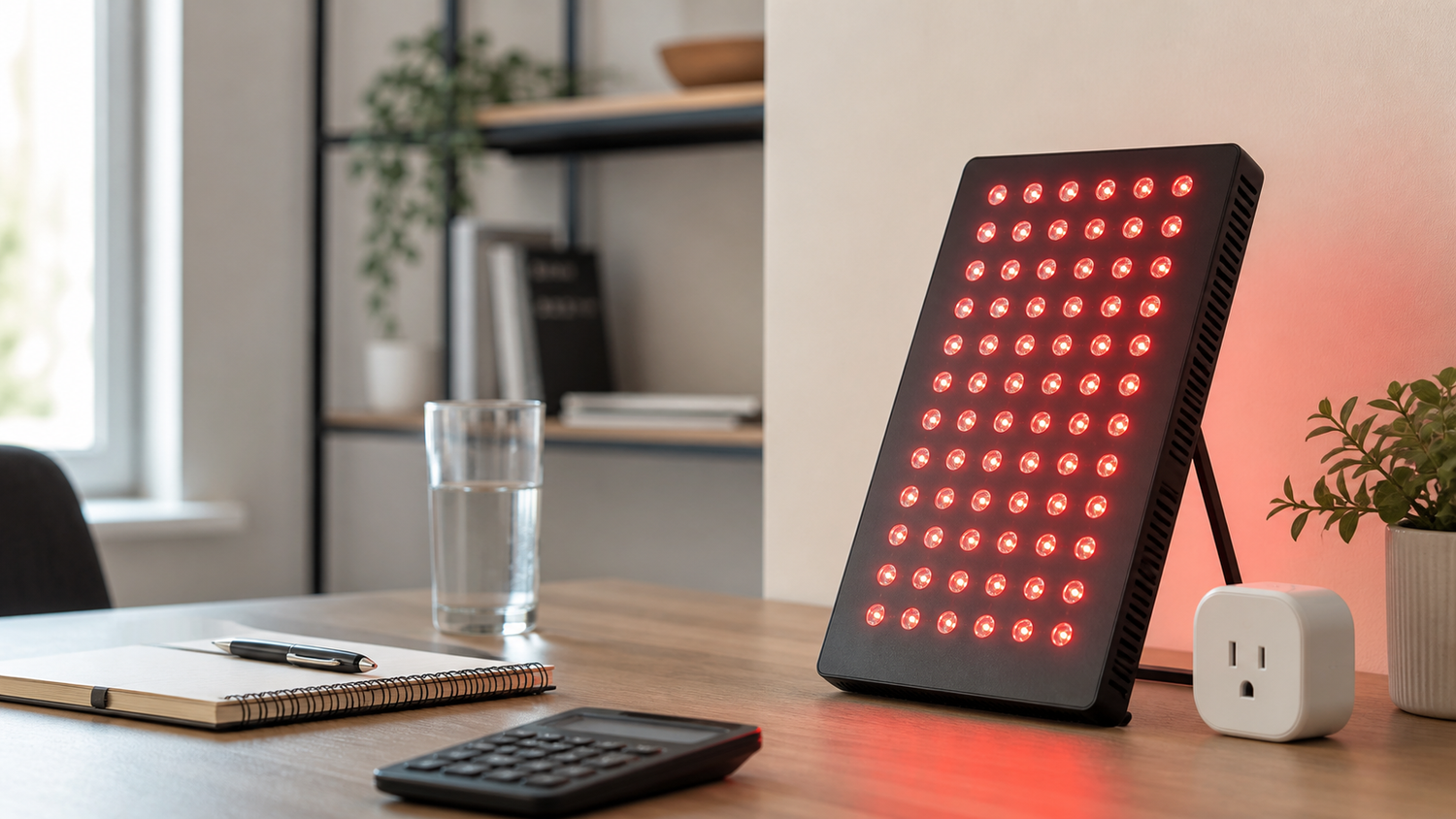
One practical question rarely covered in glossy reviews is simple: what does it cost to actually run a red light panel? The good news is that for typical home routines, the answer is reassuringly small. Here is how to think about it.
Key takeaways
- The article says running a home red light panel typically costs only pennies per session because sessions are short.
- You can estimate cost using the panel's rated wattage, your daily session time, and your local electricity rate.
- Switching the panel off or unplugging it between sessions trims standby draw to zero.
- Modern LED panels are described as relatively efficient, turning most power into light rather than waste heat.
- SOLRA is described as built around 660nm red and 850nm near-infrared light with panel-only, tabletop, and floor-stand options.
Power draw is usually modest
A panel's power consumption is listed in watts. Sessions are short, often just minutes per area, so the energy used per session is small compared with appliances you run for hours, like heaters or ovens. Even daily use adds up slowly because the total time per day is brief.
Estimating your own cost
You can ballpark running cost with two numbers: the panel's wattage and your electricity rate.
- Find the panel's rated power in watts (check the specs or label).
- Multiply by your typical daily session time to get watt-hours, then convert to kilowatt-hours.
- Multiply by your local electricity rate to estimate daily cost.
For most short home routines, the result lands in the range of pennies per session, not dollars.
Standby and habits that help
Like any electronic device, a panel may draw a small amount of power when plugged in but idle. Unplugging it or using a switched outlet between sessions trims that to zero. Keeping sessions to the length your device recommends also avoids wasting energy on minutes that add little benefit.
Efficiency and the bigger picture
Modern LED panels are relatively efficient, turning most of their power into light rather than waste heat. When you compare the running cost of a home panel against repeated trips to a studio or clinic, the at-home option often looks favorable over time, both in money and in convenience.
The takeaway
Energy use should not be a barrier to a home routine. Check the wattage, keep sessions sensible, switch the panel off between uses, and the running cost stays comfortably in the background.
Frequently asked questions
How much does it cost to run a red light panel at home?
For most short home routines, the running cost lands in the range of pennies per session rather than dollars. Sessions are short, so the energy used per session is small compared with appliances you run for hours like heaters or ovens.
How can I estimate my own running cost?
Find the panel's rated power in watts, multiply by your typical daily session time to get watt-hours and convert to kilowatt-hours, then multiply by your local electricity rate to estimate daily cost. You only need two numbers: the panel's wattage and your electricity rate.
Does a panel use power when it is not in use?
Like any electronic device, a panel may draw a small amount of power when plugged in but idle. Unplugging it or using a switched outlet between sessions trims that to zero.
Are LED panels energy efficient?
Modern LED panels are relatively efficient, turning most of their power into light rather than waste heat. Compared against repeated trips to a studio or clinic, the at-home option often looks favorable over time in both money and convenience.
Where SOLRA fits
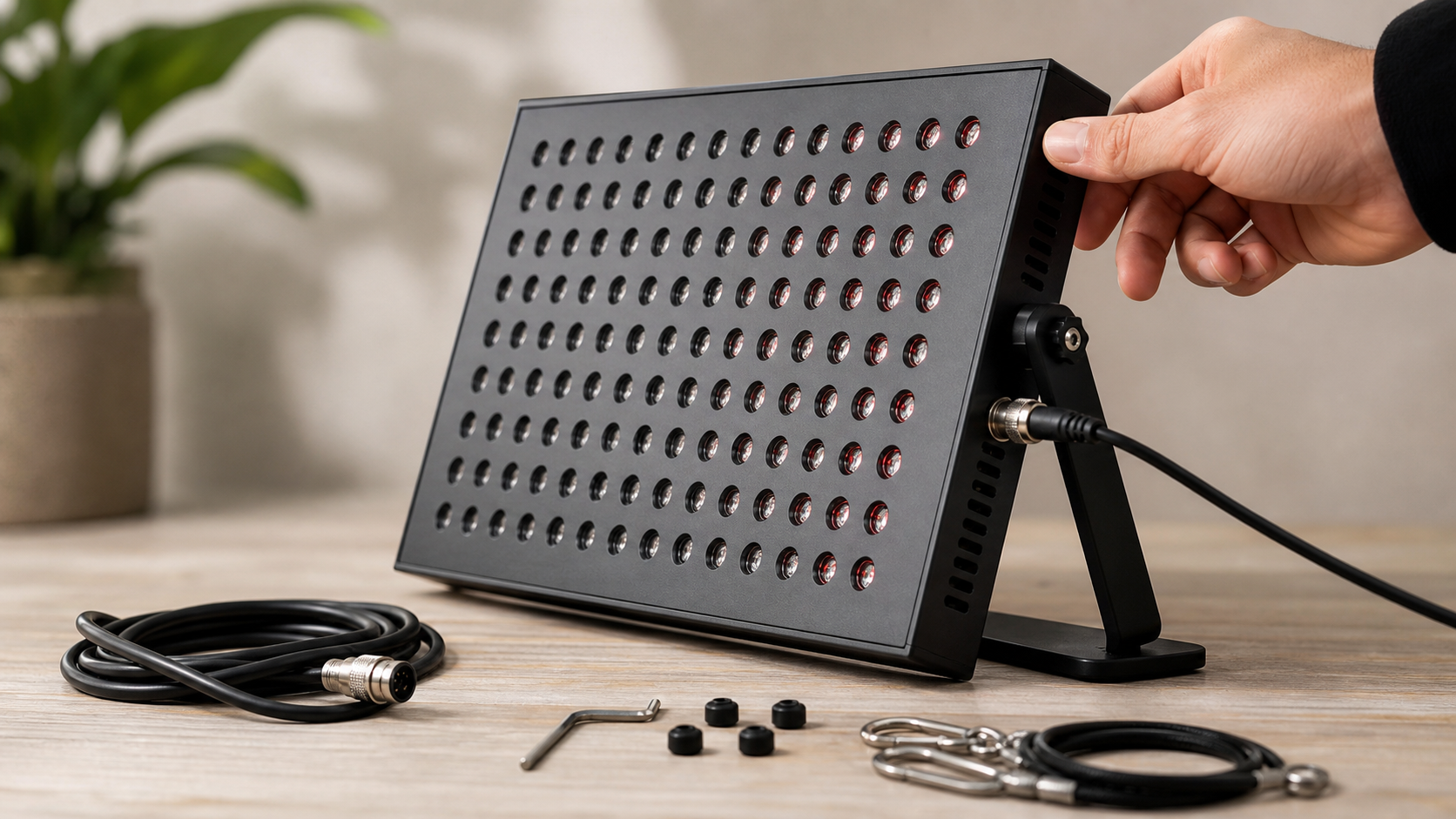
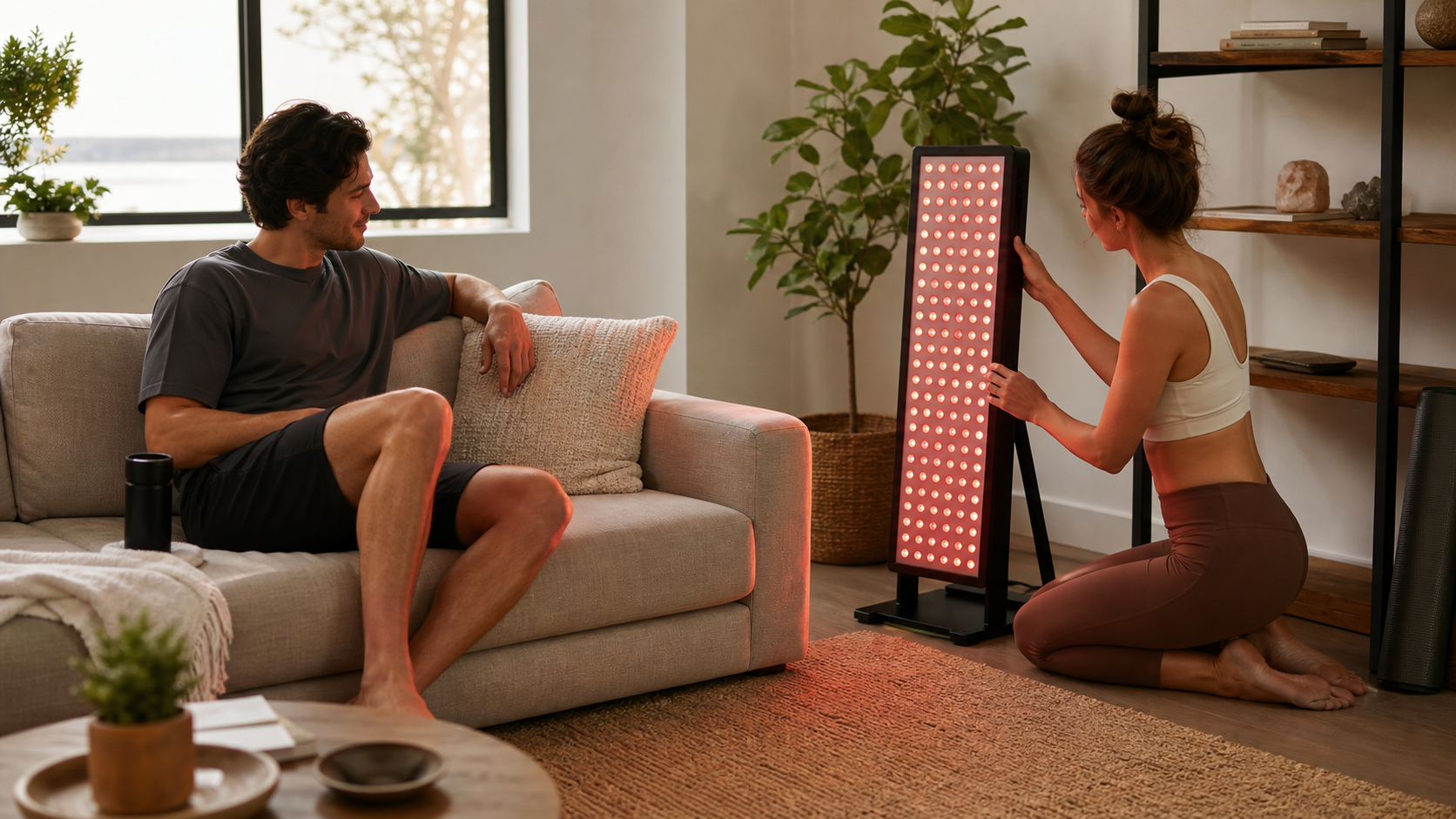
Choose the configuration that matches your space: a tabletop setup for compact, seated routines, or a floor stand for larger areas and full-body sessions. The SOLRA Red Light Panel is built around 660nm red light and 850nm near-infrared light, with setup options for panel-only use, tabletop placement, or a complete floor-stand kit.
Quick safety notes
Red light wellness routines should feel comfortable. Avoid staring directly into bright LEDs, follow your device instructions, and consult a qualified professional if you are pregnant, photosensitive, using light-sensitive medication, or managing a medical condition.
Wellness disclaimer: SOLRA products are general wellness devices and have not been evaluated by the FDA. This article is for educational purposes only and is not intended to diagnose, treat, cure, or prevent any disease. Consult a qualified healthcare professional before beginning a new wellness practice, especially if you have a medical condition or take medication.
About this guide. Written and maintained by the SOLRA Team, who design and support the SOLRA Red Light Panel (660nm red + 850nm near-infrared light). Our guides focus on practical, comfort-first routines and use general wellness language rather than medical claims. Always follow your device instructions and consult a qualified professional about any medical condition. Editorial review: SOLRA Team · Updated June 2026.

Leave a comment
This site is protected by hCaptcha and the hCaptcha Privacy Policy and Terms of Service apply.