
TL;DR
- Treat the term as a prompt for better questions
- Keep wavelengths and layout separate
- Compare the same evidence across listings
- Avoid turning a label into a promise
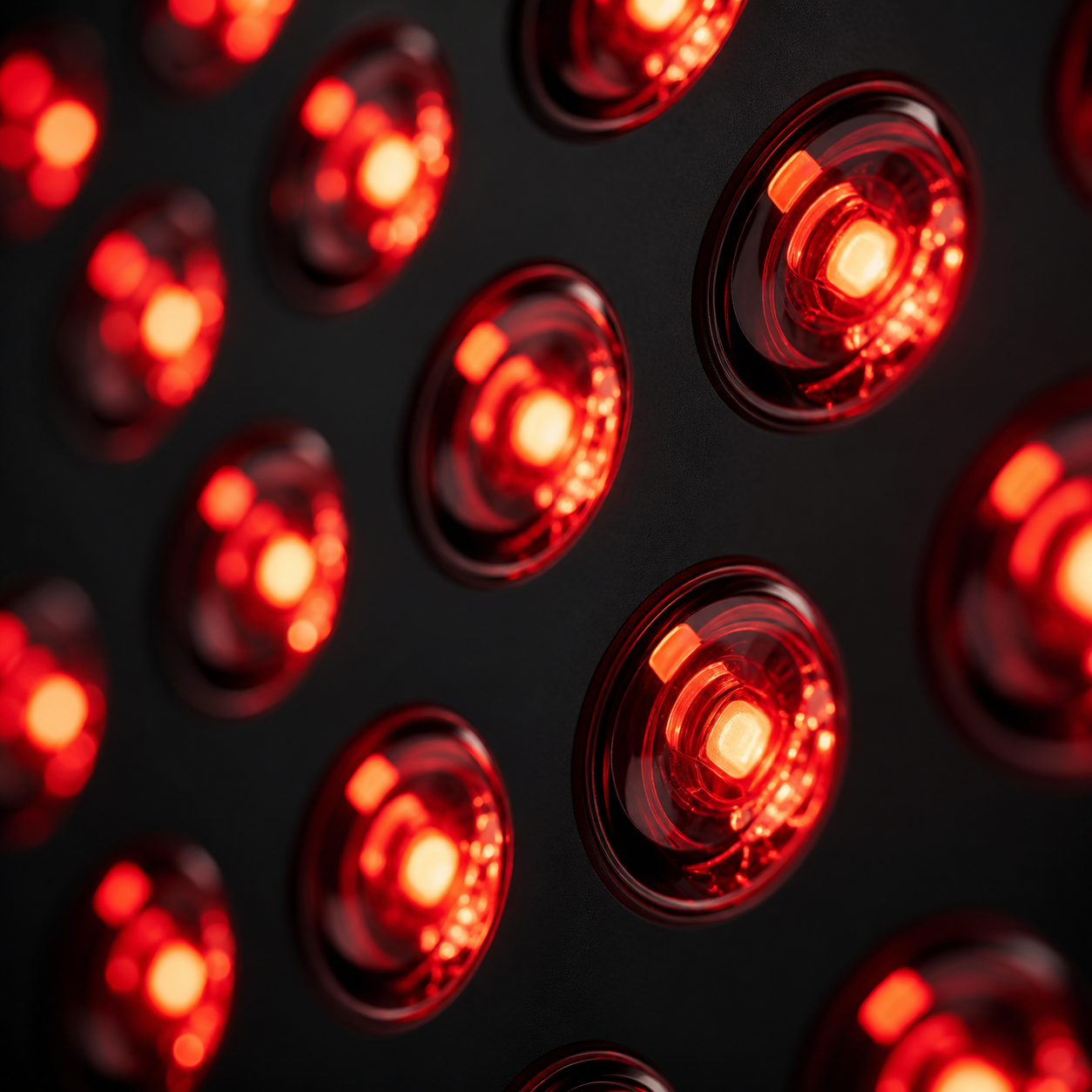
Dual-chip is a common phrase in red light panel listings, but it is not a complete buying decision on its own. The useful question is how a manufacturer defines the term, which wavelengths are involved, and what other published details help you understand the full panel.
Treat the term as a prompt for better questions
Manufacturers can use similar words in different ways. When a listing says dual-chip, look for a clear explanation of the LED arrangement and the wavelengths it is designed to emit. If the explanation is vague, ask for a specification sheet rather than assuming all dual-chip products are equivalent.
Keep wavelengths and layout separate
A wavelength describes the kind of light a product is designed to emit. LED layout describes how components are arranged. Both can matter when comparing products, but neither replaces practical information about coverage, controls, support, or a comfortable home setup.
Compare the same evidence across listings
Use a short side-by-side note for each option: stated wavelengths, how the layout is described, coverage information, measurement context, warranty, and included support. This makes it easier to see where one listing has detail and another relies on broad labels.
Avoid turning a label into a promise
No hardware term can predict an individual wellness outcome. Use product language to understand a design, then follow the device instructions and choose a routine that feels sustainable.
Frequently asked questions
Does dual-chip automatically mean one red light panel is better?
No. It is one design description. Compare the manufacturer explanation, wavelengths, coverage, policies, and the setup that fits your needs.
What should a clear dual-chip claim include?
A useful claim explains the LED arrangement or design and identifies the wavelengths rather than relying on the phrase alone.
Where SOLRA fits
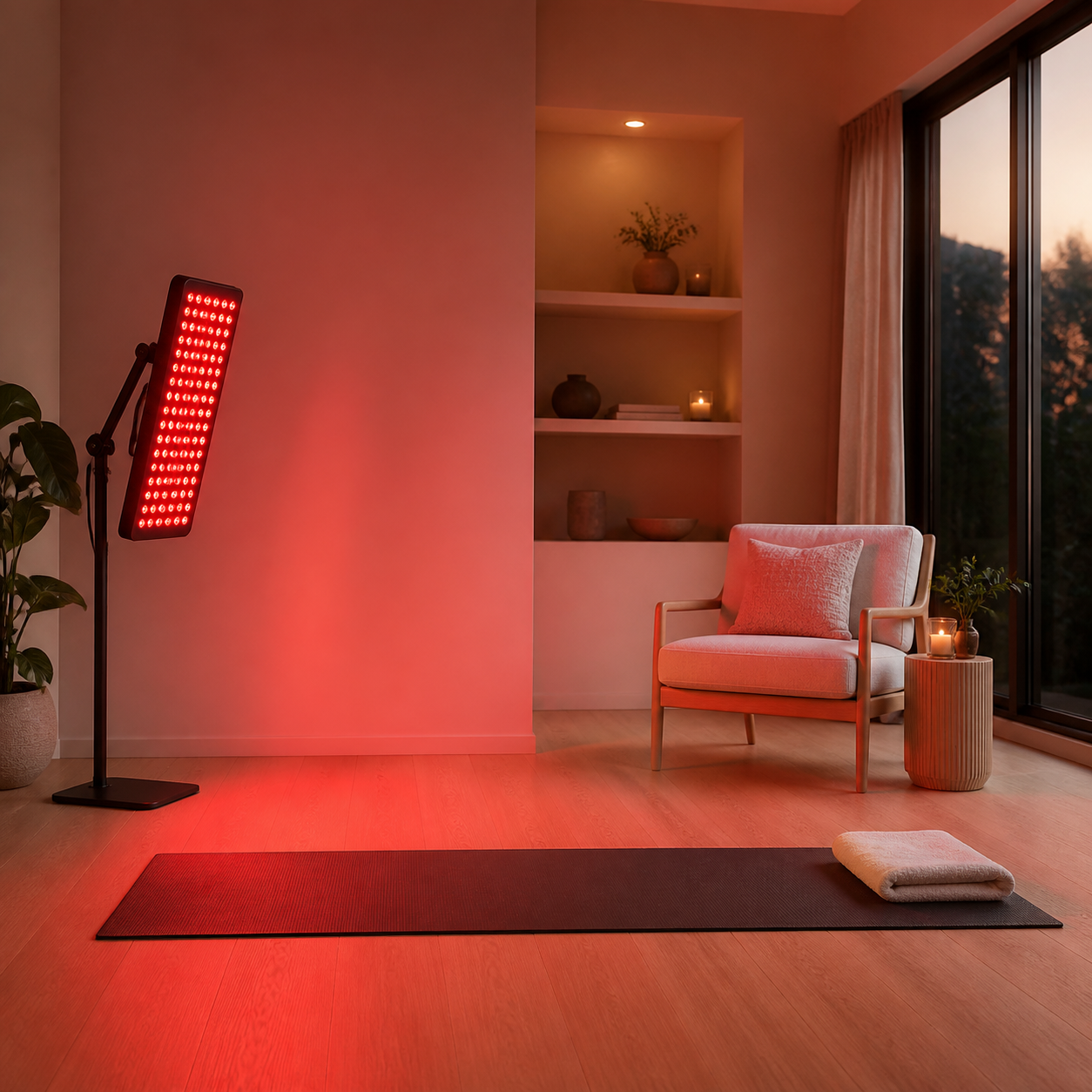
The SOLRA Red Light Panel is designed for at-home wellness routines with 660nm red light and 850nm near-infrared light. Explore the product page for current configuration, included-item, and policy details.
Quick safety notes
Use a device according to its instructions. Avoid staring directly into bright LEDs, keep ventilation areas clear, and consult a qualified professional if you are pregnant, photosensitive, using light-sensitive medication, or managing a medical condition.
Wellness disclaimer. SOLRA content and products are intended for general wellness and educational purposes only. They are not intended to diagnose, treat, cure, or prevent any disease, and have not been evaluated by the FDA. Consult a qualified healthcare professional about personal medical questions.
Editorial note: Reviewed by the SOLRA Team for practical at-home wellness guidance. Updated August 2026.

Leave a comment
This site is protected by hCaptcha and the hCaptcha Privacy Policy and Terms of Service apply.