
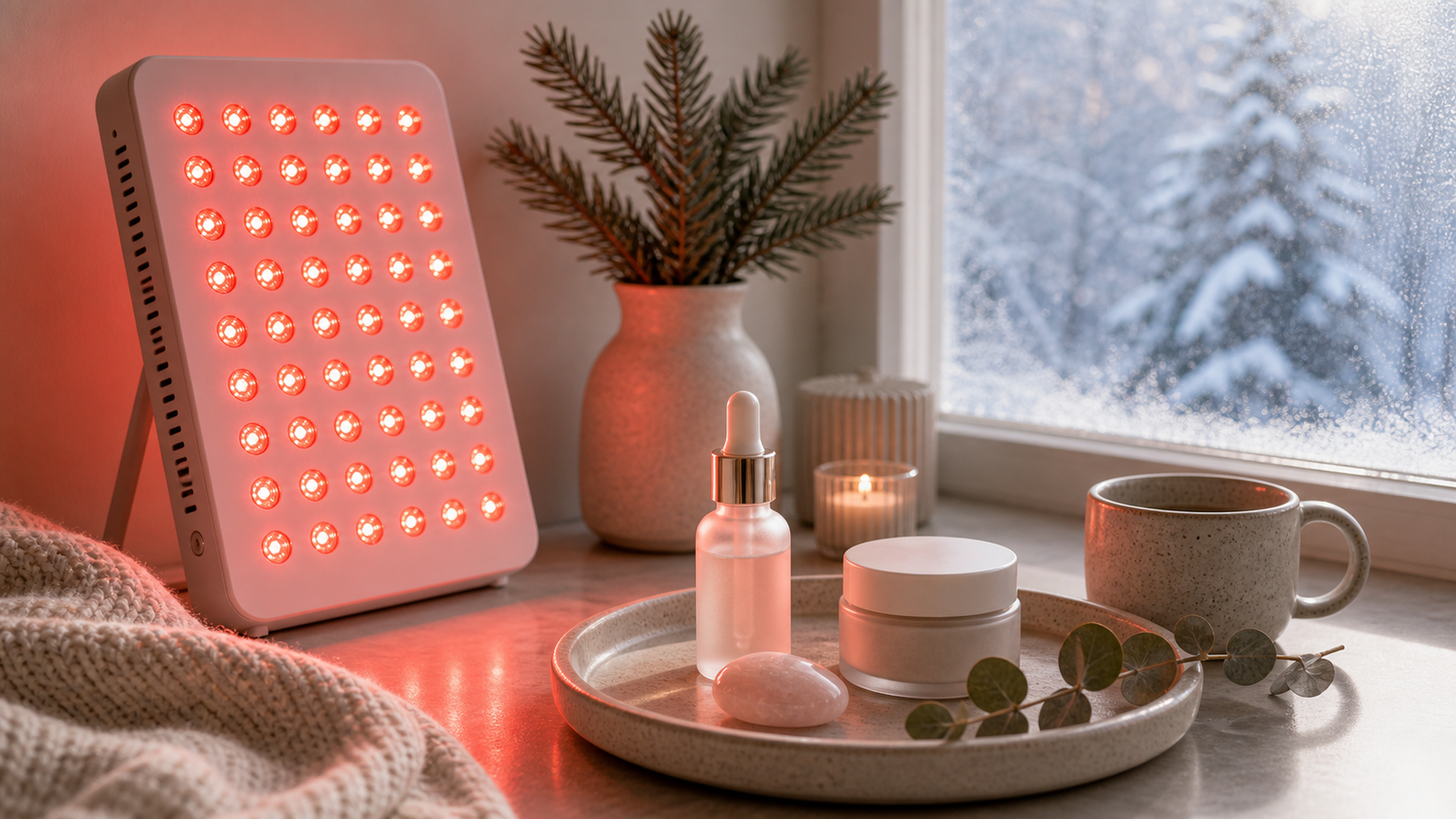
Winter changes a lot about daily life: less daylight, drier air, colder mornings, and a stronger pull toward staying indoors. A red light panel can become a steady part of a winter wellness routine, mostly because it gives you a consistent, comfortable ritual when the season makes everything else feel harder to keep up.
Key takeaways
- A red light panel can be a steady, comfortable winter anchor when shorter days and cold weather make routines easy to skip.
- Pair a short session with a simple evening skincare routine: start with clean skin, keep it short, then apply your usual moisturizer afterward.
- A quiet session can act as a wind-down signal as evenings get long – keep the room dim and avoid screens right after if you are sensitive to light at night.
- A relaxed session on the back, shoulders, or legs can be a comfortable part of a winter recovery routine.
- Avoid staring directly into bright LEDs, use eye protection or keep eyes closed, and consult a qualified professional for medical considerations.
Why winter routines tend to slip
Shorter days and cold weather make it easy to skip the small habits that usually hold a routine together. Motivation dips, schedules shift, and the warm comfort of staying put wins. The advantage of a panel session is that it is indoors, low effort, and easy to attach to something you already do in the evening.
The goal is not to add pressure. It is to keep one calm, repeatable anchor in the day.
Dry, cold-weather skin and your routine
Indoor heating and cold outdoor air both pull moisture from skin in winter, so this is a season where many people focus more on skincare. A short panel session pairs naturally with a simple evening routine: cleanse, do your session, then apply your usual moisturizer afterward.
- Start with clean skin so nothing sits between you and the light.
- Keep sessions short and comfortable rather than long.
- Follow with your normal moisturizer to support a winter skin routine.
Avoid looking directly at the LEDs during face-focused sessions, and use eye protection or keep your eyes closed.
Low light and an evening wind-down
With the sun setting early, evenings get long. A consistent wind-down ritual helps the day feel more structured. Many people like using a panel session as a signal that the active part of the day is ending: lower the lights, sit down, do a quiet session, then move into a calmer evening.
If you are sensitive to bright light at night, keep the room dim around the session and avoid screens right afterward.
Recovery when you are less active
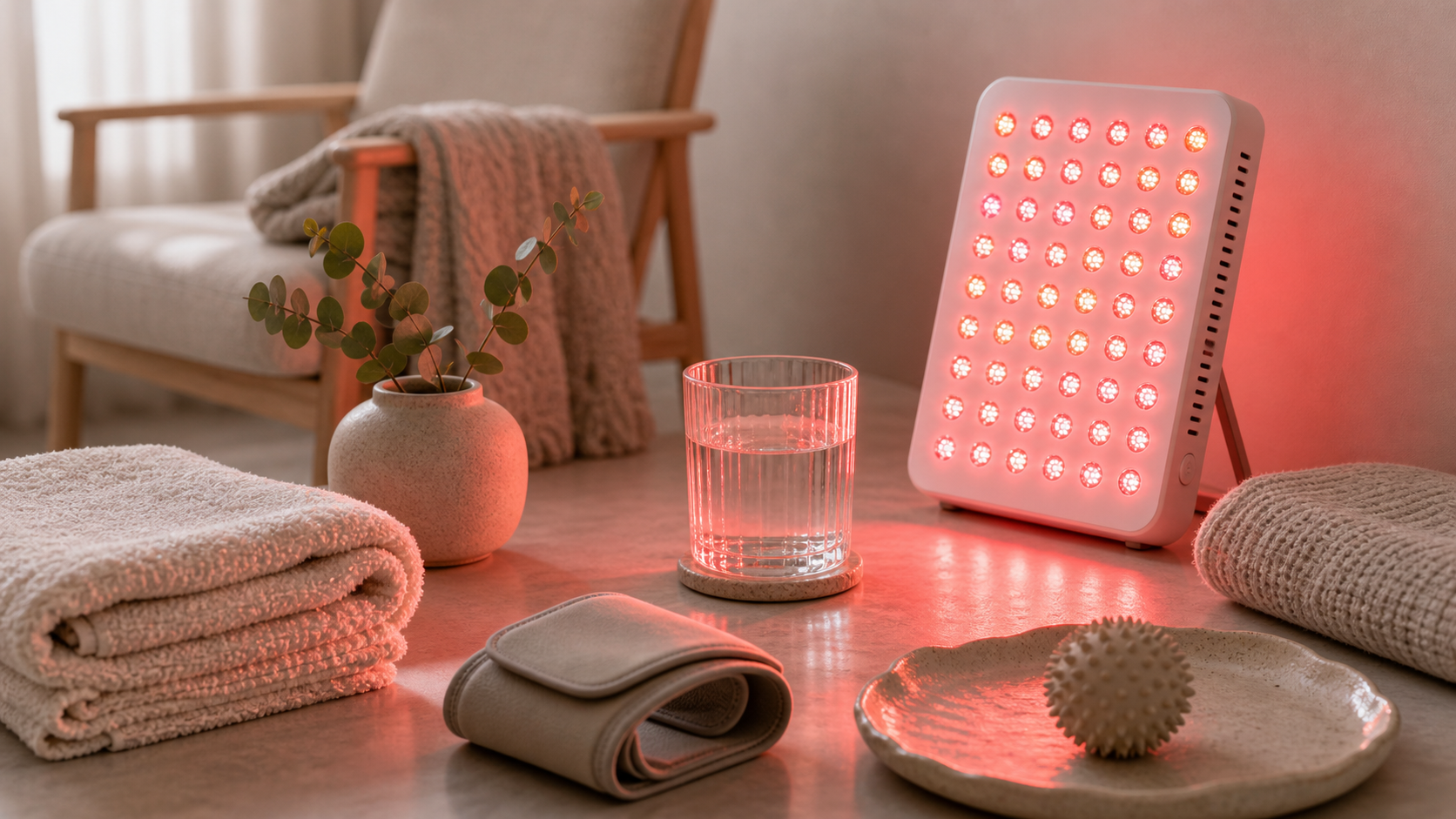
Winter often means less movement and more stiffness from cold and sitting. A relaxed session focused on the back, shoulders, or legs can be a comfortable part of a recovery routine after a cold-weather walk, a workout, or a long day indoors.
Keep the position loose so the session feels like recovery, not another chore on the list.
Keeping the habit through the season
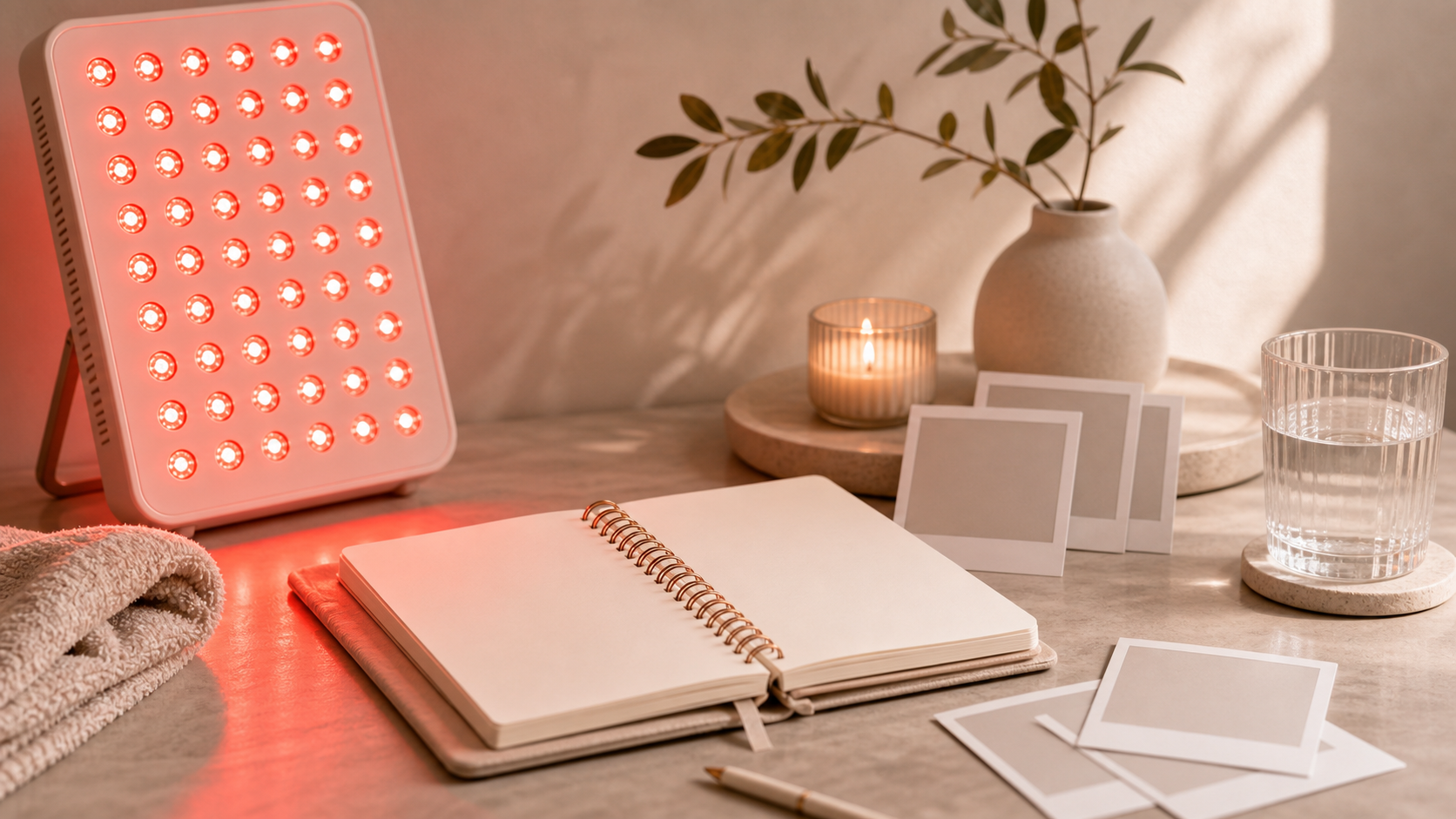
The simplest way to stay consistent in winter is to make the routine boring in a good way: same chair, same time, same short session. Attach it to an existing evening cue, and you will not have to rely on motivation that the season tends to drain.
Frequently asked questions
Why do wellness routines tend to slip in winter?
Shorter days and cold weather make it easy to skip the small habits that hold a routine together, as motivation dips and schedules shift. A panel session helps because it is indoors, low effort, and easy to attach to something you already do in the evening.
How do I fit a panel session into a winter skincare routine?
A short panel session pairs naturally with a simple evening routine: start with clean skin, do your session, then apply your usual moisturizer afterward. Keep sessions short and comfortable rather than long.
How can a panel session help with a winter evening wind-down?
With the sun setting early, many people use a panel session as a signal that the active part of the day is ending by lowering the lights, sitting down, and doing a quiet session before a calmer evening. If you are sensitive to bright light at night, keep the room dim and avoid screens right afterward.
How do I keep the habit consistent through the season?
Make the routine boring in a good way with the same chair, same time, and same short session, and attach it to an existing evening cue. That way you will not have to rely on motivation that the season tends to drain.
Where SOLRA fits
For winter routines, a tabletop placement is convenient for face and seated sessions, while a floor stand covers larger areas like the back and legs. The SOLRA Red Light Panel is built around 660nm red light and 850nm near-infrared light, with setup options for panel-only use, tabletop placement, or a complete floor-stand kit.
Quick safety notes
Red light wellness routines should feel comfortable. Avoid staring directly into bright LEDs, follow your device instructions, and consult a qualified professional if you are pregnant, photosensitive, using light-sensitive medication, or managing a medical condition.
Wellness disclaimer: SOLRA products are general wellness devices and have not been evaluated by the FDA. This article is for educational purposes only and is not intended to diagnose, treat, cure, or prevent any disease. Consult a qualified healthcare professional before beginning a new wellness practice, especially if you have a medical condition or take medication.
About this guide. Written and maintained by the SOLRA Team, who design and support the SOLRA Red Light Panel (660nm red + 850nm near-infrared light). Our guides focus on practical, comfort-first routines and use general wellness language rather than medical claims. Always follow your device instructions and consult a qualified professional about any medical condition. Editorial review: SOLRA Team · Updated June 2026.

Leave a comment
This site is protected by hCaptcha and the hCaptcha Privacy Policy and Terms of Service apply.