
One of the most common mix-ups in wellness is lumping red light in with UV light, the kind from the sun or a tanning bed. They both involve "light," so the confusion is understandable. But they sit at opposite ends of the spectrum and behave very differently. Clearing this up makes it much easier to understand what a red light panel does and does not do.
Key takeaways
- Red light and UV light are different parts of the spectrum: red light panels use visible red (around 660nm) and near-infrared (around 850nm), while UV is shorter-wavelength light from the sun and tanning beds.
- UV is what tans and burns skin; red light panels do not emit UV, so they are not a tanning device and are not used to get a tan.
- Tell them apart by the specs — a red light panel states wavelengths in nanometers in the red/near-infrared range; UV sources are defined by UVA/UVB output.
- Red light routines still call for comfort-first habits and eye care, but the "will this tan or burn me?" concern belongs to UV, not red light.
Different parts of the same spectrum
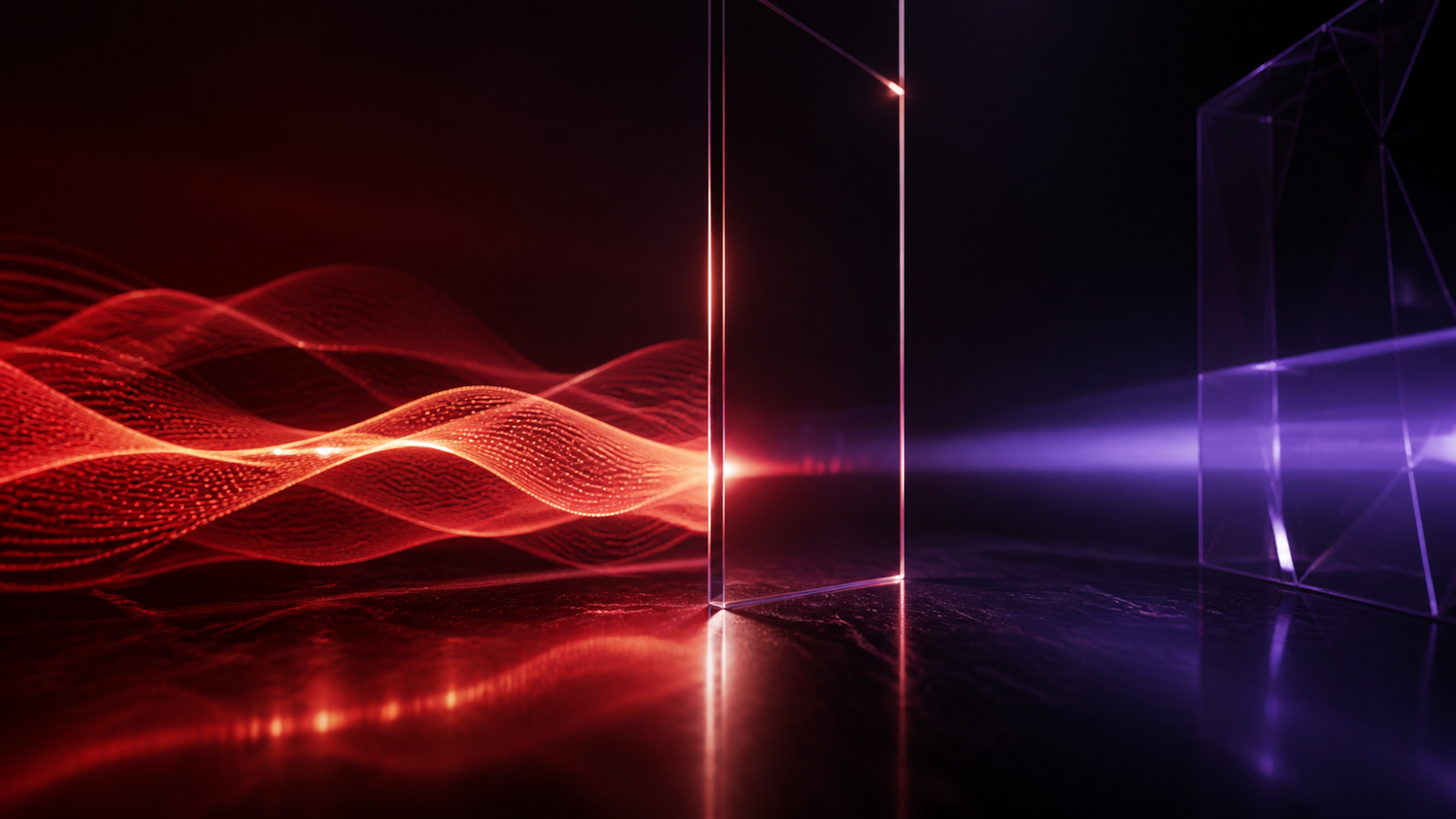
Light comes in a range of wavelengths, and where a wavelength sits on that spectrum determines how it behaves. UV (ultraviolet) light is short-wavelength and sits just beyond the violet end of visible light. Red light is long-wavelength visible light, and near-infrared sits just past the red end. A wellness panel is built around the red and near-infrared region, most commonly 660nm red and 850nm near-infrared. That places it far from UV on the spectrum.
What actually tans and burns: UV
Tanning and sunburn are effects of UV exposure. UVA and UVB interact with skin in ways that produce a tan or, with too much exposure, a burn. That is the realm of sunlight and tanning beds. A red light panel built around red and near-infrared wavelengths is not designed for, and is not used for, tanning. If a device is meant to tan you, it is a UV product, not a red light wellness panel.
Red light vs UV light at a glance
| Red light panel | UV light (sun / tanning bed) | |
|---|---|---|
| Wavelength | Long — red (~660nm) & near-infrared (~850nm) | Short — ultraviolet (UVA / UVB) |
| Tans skin? | No | Yes |
| Can burn skin? | Not by design | Yes, with overexposure |
| Typical purpose | Comfort-first wellness routine | Tanning / incidental from sun |
| Spec to look for | Wavelength in nm (red / NIR) | UVA / UVB output |
How to tell what a device emits
The specifications settle it. A red light wellness panel will state its wavelengths in nanometers, in the red and near-infrared range. A tanning or UV device will describe UVA/UVB output. If you ever see a product blur this line, the wavelength figures are the giveaway. For more on reading wavelengths, see what red light wellness actually is.
So do I still need to think about safety?
Yes, but a different kind. Because red light is not UV, the "will this tan or burn me?" worry does not apply the same way. Comfort-first habits still matter: avoid staring into the bright LEDs, keep a sensible distance, and consider eye protection. Our notes on eye safety and red light vs sunlight go further. The headline, though, is simple: red light panels are not tanning devices.
Frequently asked questions
Does red light therapy tan your skin?
No. Tanning is caused by UV light from the sun or tanning beds, and a red light wellness panel is built around red (around 660nm) and near-infrared (around 850nm) wavelengths rather than UV, so it is not a tanning device and is not used to get a tan.
Can a red light panel burn your skin like the sun?
Burning is a UV effect from overexposure to sunlight or tanning beds; a red light panel does not emit UV and is not designed to burn, though comfort-first habits like keeping a sensible distance still apply.
Is red light the same as UV light?
No. They are different parts of the spectrum: UV is short-wavelength light beyond the violet end, while red and near-infrared are long-wavelength light at and beyond the red end, which is why they behave so differently.
How can I tell if a device is red light or UV?
Check the specifications: a red light wellness panel states its wavelengths in nanometers in the red and near-infrared range, while a tanning or UV device describes UVA/UVB output, so the wavelength figures reveal which type it is.
Where SOLRA fits
Choose the configuration that matches your space: a tabletop setup for compact, seated routines, or a floor stand for larger areas and full-body sessions. The SOLRA Red Light Panel is built around 660nm red light and 850nm near-infrared light, with setup options for panel-only use, tabletop placement, or a complete floor-stand kit.
Quick safety notes
Red light wellness routines should feel comfortable. Avoid staring directly into bright LEDs, follow your device instructions, and consult a qualified professional if you are pregnant, photosensitive, using light-sensitive medication, or managing a medical condition.
About this guide. Written and maintained by the SOLRA Team, who design and support the SOLRA Red Light Panel (660nm red + 850nm near-infrared light). Our guides focus on practical, comfort-first routines and use general wellness language rather than medical claims. Always follow your device instructions and consult a qualified professional about any medical condition. Editorial review: SOLRA Team · Updated June 2026.

Leave a comment
This site is protected by hCaptcha and the hCaptcha Privacy Policy and Terms of Service apply.